Skip to content              
Bigstock luxury residential house with 274931791

Holiday Insurance Tips: Travel, Gifts, and Home Protection

December 10, 2025

The holiday season is one of the busiest times of year—and one of the riskiest when it comes to insurance claims.


From packed travel schedules to expensive deliveries sitting on doorsteps, the end of the year brings a mix of excitement and exposure. Whether you’re staying home or hitting the road, this is a smart time to check your coverage and take a few preventive steps to keep the season joyful.
Here’s what to know before the holidays are in full swing.


Protecting Your Home While You Travel

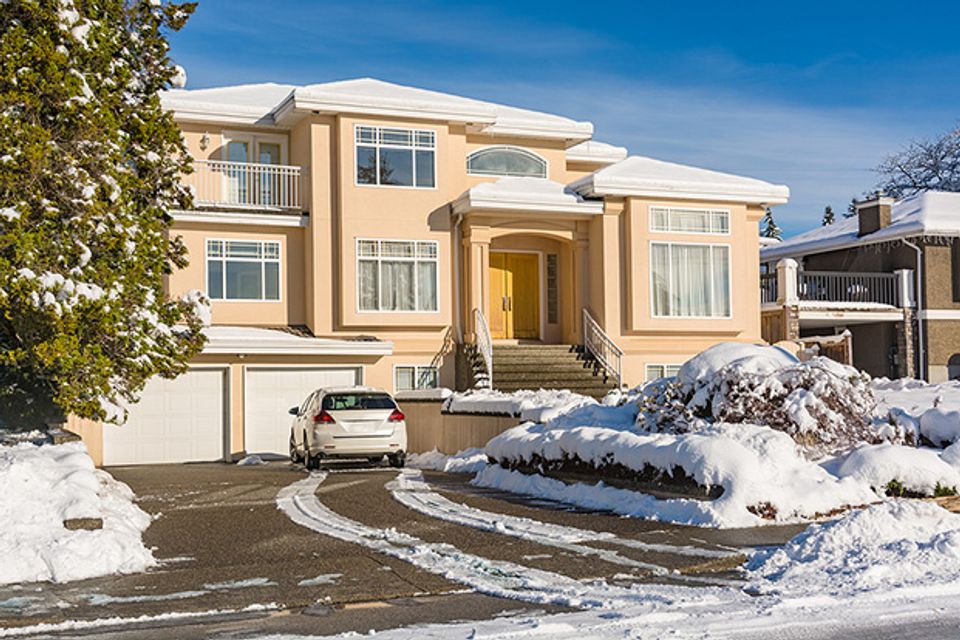
If you’re leaving town, make sure your home is secure. Lock all doors and windows, set light timers, and pause mail or deliveries—or ask a neighbor to pick them up. If you use smart home devices like security cameras or water sensors, test them before you leave.
Many homeowners policies cover theft and vandalism, but filing a claim during the holidays can be especially stressful. Taking precautions upfront can help you avoid it altogether.

Safeguarding Holiday Deliveries

Porch piracy tends to spike in December. If you’re ordering gifts online, consider sending high-value packages to your workplace or a secure pickup location. Some carriers allow you to schedule deliveries or get real-time alerts.
If a package is stolen from your porch, homeowners or renters insurance may offer some reimbursement—but there’s often a deductible, and coverage may be limited. It’s best to prevent the loss when you can.


Auto Insurance and Holiday Travel

Holiday traffic, icy roads, and longer trips all increase the chances of accidents this time of year. Before you travel, check that your auto insurance is current and that roadside assistance is included—especially if you’ll be driving in unfamiliar areas.
If you’re renting a vehicle, find out whether your personal auto policy covers rental cars. In many cases, it does—but not always.

Are Holiday Gifts Covered by Insurance?

Gifts like electronics, jewelry, and collectibles may need to be scheduled on your policy to be fully covered. Standard homeowners or renters insurance may only reimburse a portion of their value if they’re lost, stolen, or damaged.
If you’ve made big purchases this year—or plan to during the holidays—talk to your agent about updating your coverage.


Need Help Before the Holidays?

The holidays can be unpredictable, but your insurance coverage doesn’t have to be. A quick review with your local independent insurance agent can help ensure you’re protected at home, on the road, and everywhere in between.

Have questions? Reach out today to enjoy the season with confidence and peace of mind.
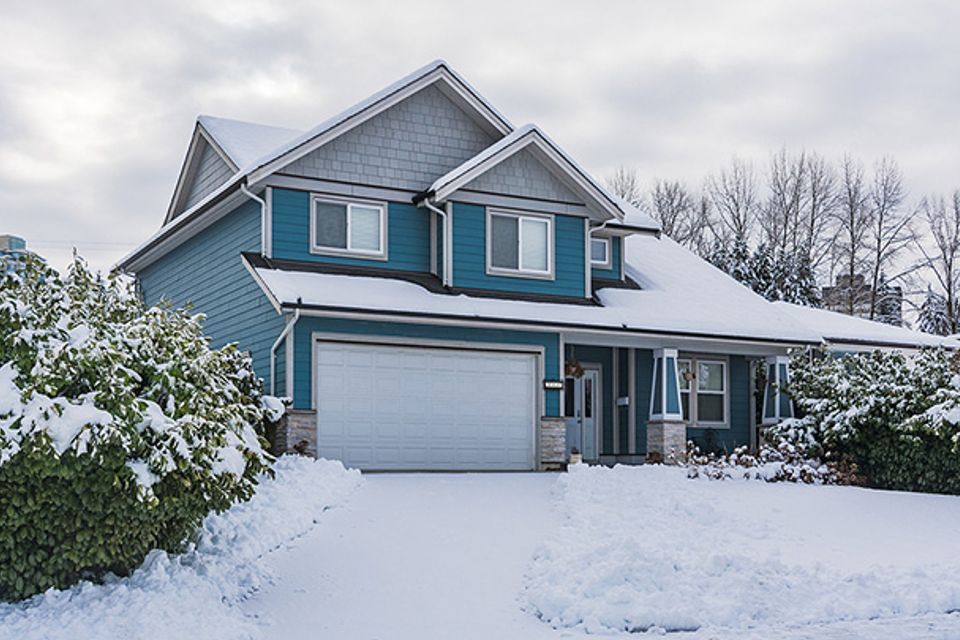
Bigstock family house with front yard i 265354963

How to Lower Heating Costs This Winter (And What It Means for Your Insurance)

November 10, 2025

When temperatures drop, both your heating bill and your risk of insurance claims can rise.


Winter often brings higher energy usage—but it also increases the chances of house fires, frozen pipes, and weather-related damage. The good news is that many of the steps you can take to improve efficiency will also help protect your home and reduce your chances of needing to file a claim.
Here’s how to prepare your home for the colder months ahead.


Seal the Gaps, Save on Heat

Drafty windows and doors let warm air escape and cold air in. Applying weatherstripping or caulk around windows and doors can make a big difference. Consider adding insulation in attics, basements, or crawlspaces—not only to lower energy costs but to help prevent pipes from freezing.

These upgrades are simple, affordable, and often go hand-in-hand with preventing common winter damage.


Take Care of Heating Systems and Fire Hazards

Before you crank up the heat, have your furnace inspected by a professional. A clean, well-maintained system will run more efficiently and pose less of a fire risk. If you use a fireplace, schedule a chimney cleaning to remove any creosote buildup.
Space heaters should be used cautiously. Place them at least three feet away from anything flammable, and never plug them into power strips or leave them unattended.

Is Your Home Insurance Winter-Ready?

Winter is a good time to review your homeowners insurance to make sure your current policy fits your needs. Here are a few things to check with your insurance agent:
  • Does your policy cover water damage from frozen pipes?
  • Are you protected if someone slips and falls on your icy sidewalk?
  • Have you made any recent home improvements that should be added to your coverage?
Even small updates can make a difference in how your claim is handled if something happens.


Want to Save Even More?

Some insurers offer discounts for things like upgraded insulation, smart thermostats, or monitored fire alarms. Ask your agent if your recent improvements qualify for a lower premium—or if there are simple changes you can make to save more over time.
 

Need Help Getting Ready for Winter?

Your local independent insurance agent can help you review your coverage, walk you through possible risks, and recommend ways to protect both your home and your wallet this season.
Have questions? Contact your agent today to head into winter with confidence and peace of mind.
Bigstock street of large suburban homes 54135056

October Home Safety Tips: Avoid Insurance Claims This Fall

October 10, 2025

Fall festivities are fun—until they lead to a costly insurance claim.


With cooler weather and the excitement of Halloween, October is a time when many homeowners decorate, entertain, and spend more time indoors. It’s also a season when insurance claims—especially for fire, injury, and property damage—tend to rise.
Whether you’re carving pumpkins, hosting friends, or putting up decorations, a few smart precautions can help you enjoy the season without surprises. Here’s how to reduce risk and keep your home protected this fall.

Watch for Seasonal Fire Risks

Candles, space heaters, and decorative lighting are all more common this time of year—and they’re also common causes of house fires. If you’re lighting candles, keep them away from curtains, decorations, and walkways. Better yet, consider switching to flameless LED candles, especially if you have pets or kids.
Before turning on the heat for the season, have your furnace or fireplace checked by a professional. Routine maintenance helps reduce the risk of fire and may improve your energy efficiency as well.


Make Sure Visitors Can Move Safely

Fall leaves may look great in your yard, but they can become slippery hazards when wet. If you’re expecting trick-or-treaters or guests, clear walkways of leaves, decorations, and cords. Test your outdoor lighting and replace any bulbs that are burned out.

These small actions reduce the chance of a slip-and-fall incident on your property—something your home insurance may cover, but no one wants to experience.


Keep Decorations Secure

If you decorate your yard for Halloween or fall, make sure anything large or inflatable is secured properly. Strong winds or storms can send decorations flying, potentially damaging your property or someone else’s.
Also consider whether your decorations could block a walkway or pose a tripping hazard. Liability claims related to injuries from decorations are more common than you might think, especially around Halloween.


Does Your Policy Cover Seasonal Risks?

This is a good time of year to review your homeowners insurance. Some questions to ask your agent include:
  • Does my policy cover injuries to guests on my property?
  • Am I protected if decorations cause damage or are stolen?
  • If I host a Halloween party, do I need extra liability coverage?
Even if nothing major has changed, checking in with your agent each fall is a smart habit to maintain the right level of protection.
 

Need Help Before the Holidays Begin?

Your local independent insurance agent can help you understand your policy and make sure you’re covered for seasonal risks—whether it’s fall maintenance, decorations, or having more people around your home.

Have questions? Reach out today so you can enjoy October with confidence and peace of mind.
Bigstock keys to the car 3834181

Back-to-School Insurance Tips for Parents of Teen Drivers

September 10, 2025
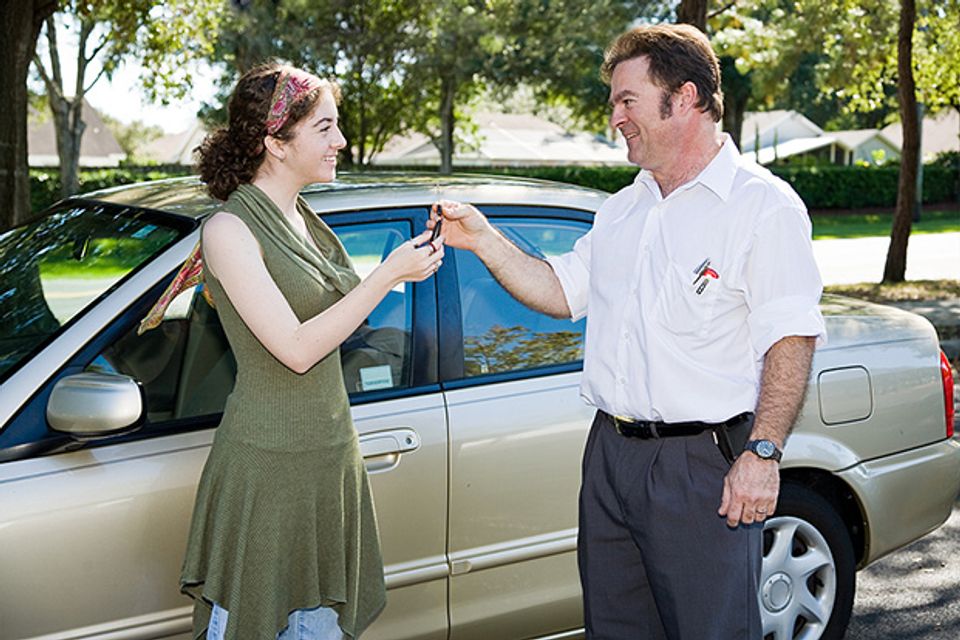
Whether your teenager is commuting to high school, driving themselves to sports practice, or heading off to college, it’s important to make sure your auto insurance is up to date. Teen drivers face unique risks, and getting the right coverage now can save you money—and headaches—later.
Here’s what parents should know about insuring young drivers.


When to Add a Teen to Your Policy

  • Most insurance companies require you to add a teen to your policy as soon as they get their license
  • You may be able to add them earlier with a learner’s permit, depending on your state
  • Keeping your teen on your family policy is usually more affordable than giving them their own
  • Let your insurance agent know if your teen will be taking a car to college or leaving it at home


Ways to Save on Teen Driver Insurance

  • Ask about good student discounts for teens with a B average or higher
  • Enroll your teen in a driver safety course—some insurers offer discounts for completion
  • Choose a safe, practical vehicle with good safety ratings and low repair costs
  • Increase your deductible to lower your monthly premium, but make sure you can afford it


Coverage Options to Consider

  • Liability coverage is required, but may not be enough—consider higher limits for better protection
  • Collision and comprehensive coverage help pay for damage to your teen’s car
  • Uninsured motorist coverage protects your teen if they’re hit by a driver with no insurance
  • Roadside assistance and rental reimbursement can be useful if your teen travels alone


If Your Teen is Going Away to College

  • If your teen won’t have a car at school, let your insurance agent know
  • You may qualify for a “student away at school” discount if they attend college over 100 miles from home
  • If they’re taking a car, verify where it will be parked and update the garaging address on your policy
  • Make sure they know what to do in case of an accident or emergency


Need Help Updating Your Policy?

Insuring a teen driver doesn’t have to be complicated. Your local independent insurance agent can help you review your options, find available discounts, and make sure your policy offers the protection your family needs.

Have questions? Reach out today to start the school year with confidence and coverage you can count on.
Bigstock storm clouds over field storm 461498571

Storm and Flood Insurance: What Homeowners Need to Know

August 13, 2025
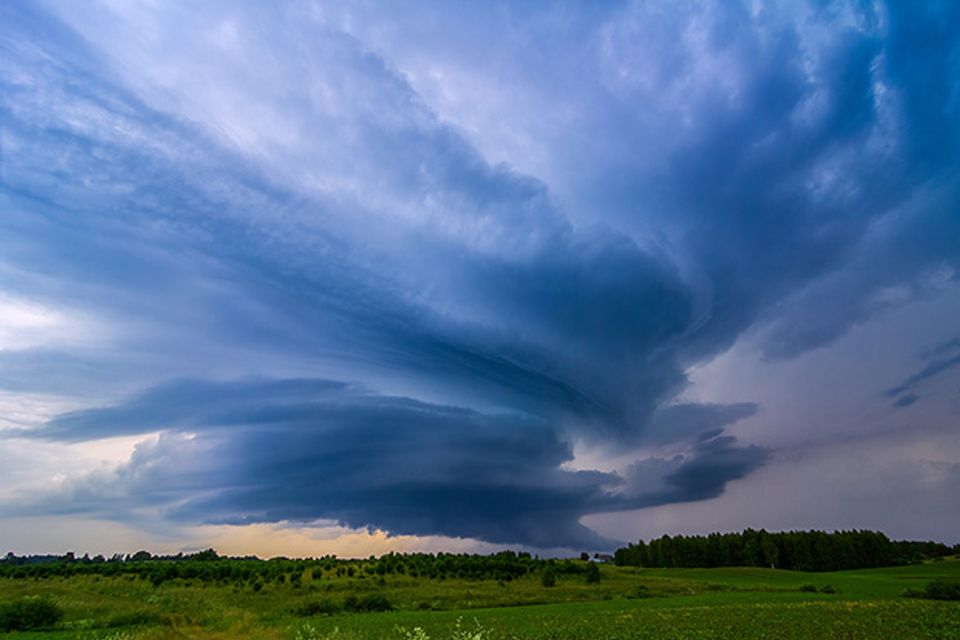
If you’re a homeowner, it’s important to know what your insurance policy does—and doesn’t—cover before storm season peaks. Many people assume they’re fully protected, only to find out too late that they need separate flood insurance or additional wind coverage.
Here’s what you should know about storm and flood insurance and how to prepare.


Does Homeowners Insurance Cover Flood Damage?

  • Most homeowners insurance policies do not cover flood damage
  • Flood insurance must be purchased separately through the National Flood Insurance Program (NFIP) or a private insurer
  • Flooding caused by rising water, storm surge, or heavy rain is excluded from most standard policies
  • If you live in a high-risk area, your lender may require you to carry flood insurance


What About Wind and Hail Damage?

  • Wind and hail damage are usually covered by homeowners insurance
  • Some policies have separate deductibles for windstorms or hurricanes, especially in coastal states
  • If your area is prone to severe storms, review the limits and exclusions on your wind coverage
  • Damage caused by fallen trees or flying debris is typically covered, but cleanup costs may not be


What If I Rent or Own a Condo?

  • Renters should make sure their policy covers damage to personal belongings caused by wind or water intrusion
  • Condo owners should check both their personal condo policy and the association’s master policy to identify gaps
  • Flood insurance is available for renters and condo owners, not just homeowners


Steps to Review Your Policy Before Storm Season

  • Contact your insurance agent to request a full policy review
  • Ask about exclusions, deductibles, and limitations related to wind and water damage
  • Discuss whether flood insurance is recommended for your location
  • Consider scheduling an annual insurance checkup every summer


Tips to Reduce Risk and Protect Your Property

  • Clean gutters and downspouts to reduce water buildup
  • Trim trees and remove dead branches
  • Install a sump pump or water sensor in basements or crawl spaces
  • Take an inventory of personal property in case you need to file a claim later


Need Help Understanding Your Coverage?

Storms can move fast—but a quick conversation with your insurance agent can help you stay one step ahead. Whether you need to add flood insurance, adjust your deductibles, or simply understand your policy better, now’s the time to act.
Have questions? Contact your local independent insurance agent to get ready before the next storm rolls in.